









There’s a special kind of excitement in a classroom celebration: paper crowns, off-key singing, tiny hands reaching for treats, and one very proud birthday child. But for parents planning the cupcakes, bake sale goodies, holiday snacks, or end-of-year treats, the excitement can come with a long list of questions.
Is the classroom nut-free? Are homemade treats allowed? Does the school require original packaging? What about a child with a dairy, egg, wheat, soy, or other food allergy? And how can everyone enjoy the celebration without making one child feel like the only person at the table who has to sit out?
The answer starts with communication, careful label reading, and a little advance planning. It can also include choosing a bakery with a clear nut-free commitment, fresh treats, and convenient options for sharing. That’s where Baked Cravings can be a helpful option for classroom parents: especially families looking for delicious treats made in a dedicated 100% peanut- and tree-nut-free facility.
Still, “nut-free” is not the same as “safe for every allergy,” and no bakery product should be treated as a universal guarantee. Every family should review current ingredient and allergen information and follow the school’s specific requirements before ordering.
Why Classroom Treats Can Be Stressful
For many families, a classroom birthday treat is a simple tradition. For parents of children with severe food allergies, it can feel more like a mini logistics operation.
A birthday cupcake may arrive unexpectedly. A bake sale may include unlabeled homemade cookies. A holiday party may involve shared serving utensils, open platters, and a parade of treats brought in from several kitchens. Even a well-meaning celebration can create concerns about ingredients and cross-contact: the accidental transfer of an allergen from one food, surface, utensil, or package to another.
The goal is not to remove every joyful celebration from school. It’s to plan celebrations thoughtfully so that children can participate without being singled out, questioned, or handed a visibly different substitute while everyone else enjoys the main treat.
That’s why it’s important to remember that each school and classroom may have different rules. Some require all shared food to be commercially prepared and sealed in original packaging. Some prohibit homemade treats altogether. Others may restrict peanuts and tree nuts but also have classroom-specific guidance for milk, egg, wheat, sesame, soy, or additional dietary needs. The CDC’s food allergy guidance for schools is a useful general resource, but your child’s teacher, school nurse, and written school policy should always be the final word for a classroom celebration.
Start With the School’s Allergy Policy
Before ordering a dozen cupcakes: or enthusiastically volunteering for the bake sale: ask the teacher or school nurse a few practical questions.
Find out which allergens are restricted, whether the classroom is peanut-free or peanut- and tree-nut-free, and whether outside food is permitted at all. Ask whether treats must be store-bought, sealed, and accompanied by a complete ingredient label. Some schools also require advance notice, approval from the health office, or delivery directly to a teacher or nurse.
It is especially important to ask before sending homemade treats. Even if you know every ingredient in your own kitchen, school staff may not be able to verify how the food was prepared, what surfaces or utensils were used, or whether cross-contact occurred. If the written policy says commercially packaged only, follow it exactly. A lovingly baked batch of cookies may still be turned away: and nobody wants the birthday child’s big moment to become a last-minute snack scramble.
When you’re reviewing options, read the full ingredient list and allergen statements every time you purchase. Recipes, suppliers, and manufacturing practices can change. Keep the packaging or a clear photo of the label available for the teacher and school nurse, rather than relying on memory or a product name alone.
Why Baked Cravings Can Make Planning Easier
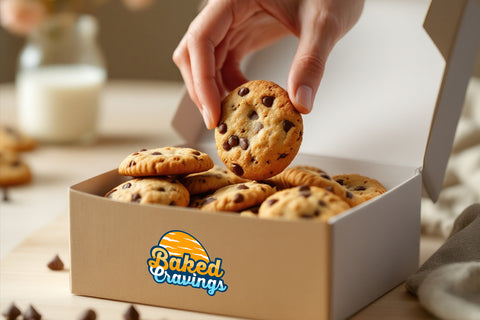
For families whose school permits bakery treats, Baked Cravings offers a reassuring starting point for peanut- and tree-nut-conscious celebrations. The bakery operates in a dedicated 100% peanut- and tree-nut-free facility, making it a convenient choice for parents who need to avoid those specific allergens when selecting classroom sweets.
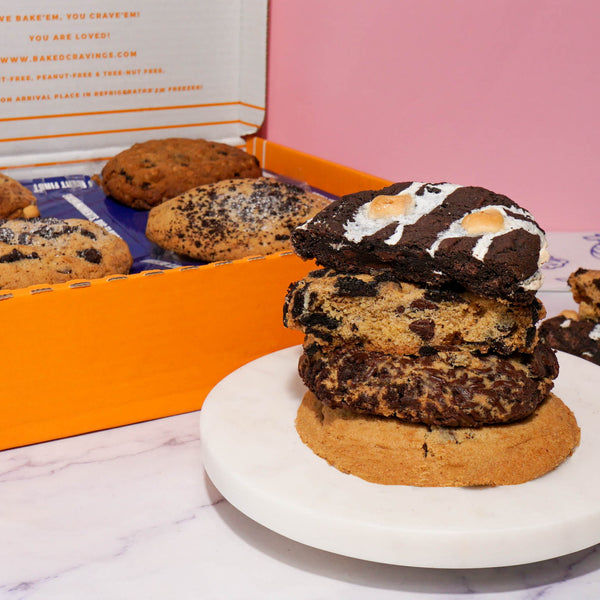
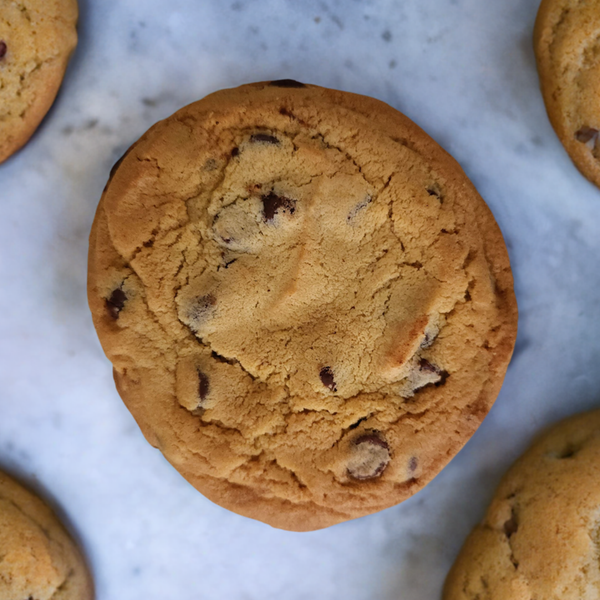
The treats are also baked fresh with quality, pure ingredients, so “safe” doesn’t have to mean boring. A classroom table can still look festive and inviting, with rich chocolate cupcakes, creamy frosting, soft-centered cookies, and fudgy brownies that feel like a real celebration.

Depending on your school’s policy and the needs of the class, parents might consider classic cupcakes, individually portioned cookies, or easy-to-share brownies. A tray of brownies can work well for a supervised classroom party if the school allows food that must be portioned by staff. Cupcakes may be simpler when each child receives one individual serving without cutting or shared utensils.
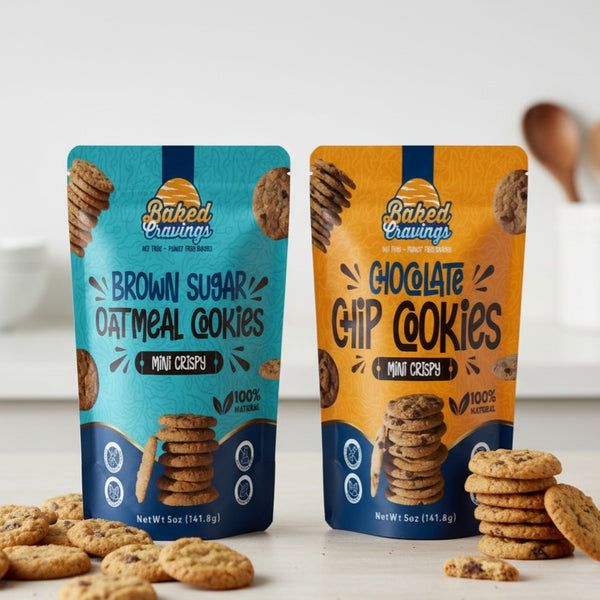
For more controlled portions, Mini Crisp Cookie Bags may be worth asking about. A sealed bag can make serving straightforward and preserve product information, but families should confirm that the school permits that particular format and product. Packaging is helpful, but it does not replace reading the label or checking with the school.
Baked Cravings’ Cake in a Cup can also be an appealing option where individually portioned desserts are allowed. Each cup offers a neat little serving of cake without the need for slicing. However, jars or cups may not be permitted in every classroom, and the product may contain allergens such as dairy, egg, or wheat depending on the flavor. Confirm the school’s rules and review current product information before placing an order.

Keep Inclusion at the Center
A safe classroom treat should help children feel included: not turn allergy management into a public announcement.
Whenever possible, choose one treat that works for the whole class rather than bringing a special-looking alternative for one child. Ask the teacher how food is usually distributed and whether the child with allergies has an individual health plan or a family-provided backup snack. A backup plan can be useful, but it should support inclusion, not replace thoughtful planning for the group.
It’s also worth remembering that food is not the only way to celebrate. Some classrooms prefer stickers, pencils, activity pages, or small non-food surprises for birthdays and rewards. These choices can be especially helpful when a classroom has several dietary restrictions or when the school has a no-food policy.
When food is allowed, choose easy-to-serve portions and avoid communal dipping, shared knives, open bowls, or treats that require children to trade and share. Staff should manage distribution according to classroom procedures, and children should be reminded not to exchange food.
A Parent-Friendly Planning Routine
The easiest way to avoid last-minute stress is to begin early: ideally before the birthday month or holiday party season arrives. Send a quick message to the teacher asking for the current classroom food policy. If your child has a severe allergy, coordinate with the school nurse and follow the child’s medical plan.
Once you know the rules, count the children, teachers, and classroom staff who should be included. Order a few extra servings if the school recommends it, but avoid over-ordering perishables. Select a format that is easy for staff to distribute, and ask whether treats should arrive individually packaged or in a sealed bakery box.
If you’re ordering close to the celebration date, Baked Cravings’ Quick Order collection can simplify the search for cookies, cupcakes, brownies, or platters. It’s a handy place to begin when the classroom party appeared on the calendar approximately three minutes ago: or at least feels that way. Be sure to confirm pickup, messenger, or delivery timing so the treats arrive when the teacher expects them.

On the day of the celebration, keep the original packaging, ingredient information, and order details together. Label the treats clearly for the teacher, and let staff decide how they should be stored and served. If the school has a designated health office review process, deliver the treats there first.
And always keep a backup plan. The school may change its policy, a label may raise a question, the delivery may be delayed, or a teacher may determine that a format is not suitable for the classroom. A non-food celebration item or family-approved backup snack can save the day without making anyone feel forgotten.
Classroom Treat Checklist
Before you order:
- Ask the teacher or school nurse for the current written allergy policy.
- Confirm whether homemade treats, bakery treats, or individually packaged foods are allowed.
- Ask which allergens must be avoided in the classroom.
- Review the current ingredient list and allergen information for the exact product and flavor.
- Confirm that the chosen format: cupcake, cookie, brownie, cookie bag, or Cake in a Cup: is permitted.
- Order enough portions for students and staff according to school guidance.
- Preserve the original packaging and labels.
- Label the treats and coordinate pickup, delivery, or drop-off instructions.
- Plan a backup celebration or snack in case the school cannot accept the treats.
- Make inclusion the goal: one joyful celebration, not one child set apart.
A Sweet Celebration With Smart Boundaries
Baked Cravings makes it easier to find fresh, delicious treats from a dedicated 100% peanut- and tree-nut-free facility, with options ranging from colorful cupcakes to rich brownies, cookies, Mini Crisp Cookie Bags, and individually portioned Cake in a Cup. That combination of convenience, pure ingredients, and seriously crave-worthy flavor can be a big help for busy classroom parents.
But the safest plan is always a shared one: the family, teacher, school nurse, and bakery all working from the same information. Check the school’s policy first, read the current label, communicate clearly, and choose a serving format staff can manage comfortably.
Safety disclaimer: Baked Cravings is 100% peanut- and tree-nut-free, but products may contain other allergens. Customers should review current ingredient and allergen information in the Baked Cravings allergen guide and consult the school before ordering. This article is for general information only and is not medical advice.


